莫妮卡·贝鲁奇加盟科幻恐怖片[尼可曼斯](Nekromancer,暂译)。影片由澳大利亚导演凯·瑞奇-特纳及凯兄弟两人执导。影片卡司还包括本·奥图尔([底特律])、泰丝·哈乌布里奇([机器之血])。该片由eOne联合Screen Australia、 Create NSW投资制作。影片今年于悉尼开拍,剧情未知。
安锡动画节最佳电影,被誉为不会令细路欲求动画公仔,而是令世界更美好的电影。20 世纪中拿破仑五世统治的另一个法国,科学家70 年来不断失踪,飞行、电力甚至电影等伟大发明都成泡影,只有艾菲尔建起了第二座铁塔。煤与蒸气把天空弄得乌烟瘴气,出街要戴防毒面具,大皇宫变大温室。阿菲(玛莉安歌迪雅美丽声演)父母是科学家,也无端失踪,当老猫达尔文病到七彩,阿菲偷偷研制不死药,却因此逃亡历险,牙尖嘴利的达尔文、主意多多的怪爷爷、变节特工祖利亚也一起有难同当。《我在伊朗长大》监制再接再厉,法国漫画家Jacques Tardi 原著,糅合凡尔纳和宫崎骏的灵光,以罕见的怀旧动画风,找回失落的动画年代。
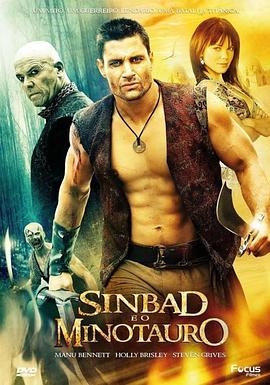
Sinbad, armed with rumors of ancient gold, finds himself sneaking into the desert camp of the evil sorcerer Al-Jibar. Hidden among the many relics is an ivory scroll case containing the logs of the pirate Captain Minos, which will lead Sinbad to the golden head of the Colossus of Rhodes.
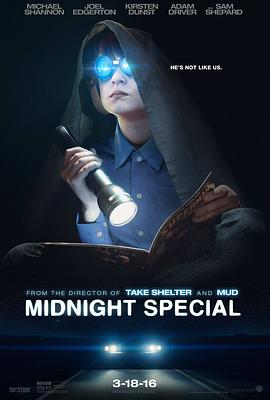
在得知親生兒子擁有超能力後,父親(麥克夏儂 飾演)載著兒子展開了一趟亡命旅程,並揭開兒子擁有超能力的神秘真相。
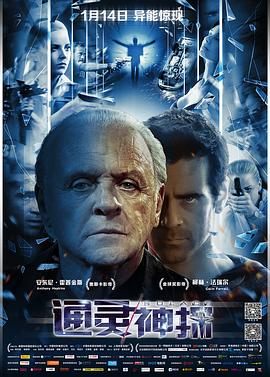
FBI特工乔(杰弗里·迪恩·摩根 Jeffrey Dean Morgan 饰)和搭档凯瑟琳(艾比·考尼什 Abbie Cornish 饰)正在调查一宗连环杀人案,此案件手段之凶残,逻辑之混乱让两名探员感到无从下手。无奈之下,他们找到了隐居多年的通灵神探约翰(安东尼·霍普金斯 Anthony Hopkins 饰),希望借助他的特异功能找到有用的线索。 然而,案件的凶手似乎知道了约翰的重出江湖,他不仅毫不顾忌的再度犯案,还留下了充满挑衅意味的字条。随着调查的深入,约翰逐渐发现,凶手竟然和他一样拥有通灵能力,而和他相比,自己一方显然落入了下风,丝毫没有翻身的机会。就在约翰一行人走投无路之时,凶手竟然主动献出了真身。
2045年,两极冰川融化,地球上仅存的石油和天然气在加拿大北部被人们发现了。剧中的Borealis镇是一个靠近北极的小镇,许多渴望占有这些宝贵资源的人云集于此,企业家、旅店业大亨Vic Carboneau也是其中之一。Vic声称自己最先发现这些东西,应该享有所有权,可各方势力都想要分一杯羹,一场多方战争一触即发(Vic友人之死成了导火索)。
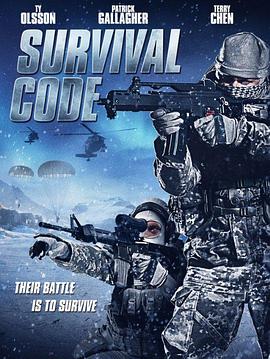
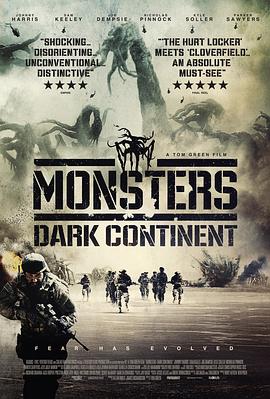
时间已经过去了七年,外星怪兽已经冲破了禁区封锁,拓展到世界各地。人类不再处于地球食物链的顶端,不得不为生存而挣扎。为了保护美国的利益,很多士兵被派往了国外与外星怪兽作战,但取得这场战争的胜利希望渺茫。 诺亚是一名老兵,他新接到一项命令:深入怪兽的核心区去解救一名困在那里的美国大兵,然而这项任务遭遇意外,诺亚的通讯和运输都被切断,队友只剩下一个刚刚从军校毕业、毫无实战经验的小鬼——并且他的兄弟还是诺亚...
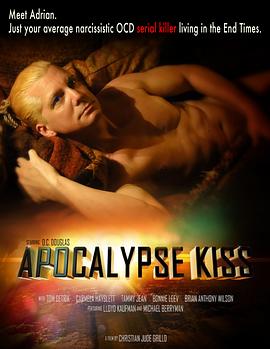
In this futuristic science fiction thriller, government security agent Jerry Hipple has been unsuccessfully tracking the city's most infamous criminal The Red Harvest Killer. When two nomadic lovers, Katia and Gladys enter the city the death count rises and are being credited as Red Harvest killings. Obsessive compulsive Adrian, the actual Red Harvest Killer becomes furious that the sexy serial killing duo are grabbing media attention under his alias. Not only does Adrian attempt to reclaim his rightful reputation but he also decides to cleverly aid his detective counterpart through the case. All the while, killers and victims alike are unaware the world is about to reach an abrupt catastrophic ending.
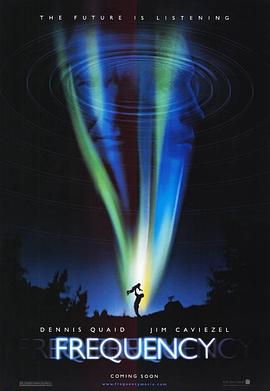
约翰的父亲弗兰克(丹尼斯•奎德 Dennis Quaid 饰)死于30年前一次救火行动中。一次,翻看父亲的遗物时,约翰(詹姆斯•卡维泽 James Caviezel 饰)发现了30年前父亲使用过的一台老式无线电。在随手翻拨频段的时候,他竟然和一名年轻叫弗兰克的男子搭上了线。经过整夜长谈,约翰确定时空发生了错乱,这个弗兰克正是自己30年前的父亲。 约翰兴奋异常,顺利帮助父亲躲过了30年前的那场灾难。当他一觉醒来,惊讶地发现了相框中白发苍苍的父亲,他知道自己成功了。然而让人意想不到的是,历史一切都改写。约翰的拯救了父亲,而他的母亲却死于了多年前的一起连环杀人案。当约翰通过无线电再次联系30年前的父亲,意图让父亲阻止母亲被杀时,父亲却又意外成了嫌疑犯!
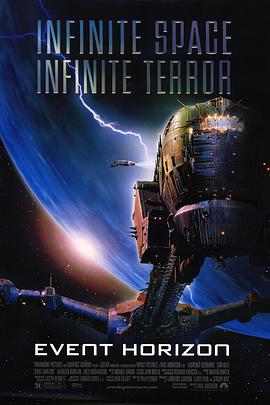
未来几十年内,人类探索利用太空的程度不断加深。2040年,利用空间扭曲技术深入宇宙的“新领域号”消失于海王星附近。 2047年,新领域号突然在海王星发回讯号,内容似乎为求救,于是当年设计新领域号的威尔博士(Sam Neill 饰)受命乘坐营救船“路易与克拉克”号前去施救。船长米勒(Laurence Fishburnes 饰)不甚友好,所幸路易与克拉克号很快按计划与新领域号对接。虽然生命扫描显示新领域号充满生命迹象,但搜寻之后营救队发现所有船员均死亡或消失,新领域号内制造黑洞的核心动力部分产生的震荡破坏了路易与克拉克号的外壳,营救队被迫暂时停留。 新领域号残留的影像记录将当时血腥的一幕呈现给所有人,同时营救队员们被幻象所困——他们分别看到了自己心中无法释怀的伤痛。队员们陷入了崩溃的边缘。然而更令人惊异的是,新领域号似乎具有了生命。威尔博士相信新领域号的变化是由于它进入过地狱,米勒船长为了拯救队员们和威尔展开了生死对决……
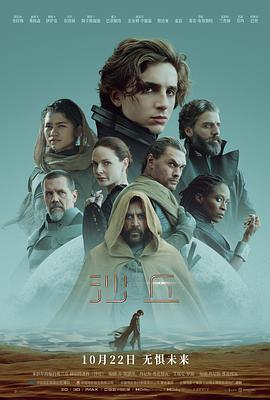
电影《沙丘》为观众呈现了一段神秘而感人至深的英雄之旅。天赋异禀的少年保罗·厄崔迪(提莫西·查拉梅 饰)被命运指引,为了保卫自己的家族和人民,决心前往浩瀚宇宙间最危险的星球,开启一场惊心动魄的冒险。与此同时,各路势力为了抢夺这颗星球上一种能够释放人类最大潜力的珍贵资源而纷纷加入战场。最终,唯有那些能够战胜内心恐惧的人才能生存下去。
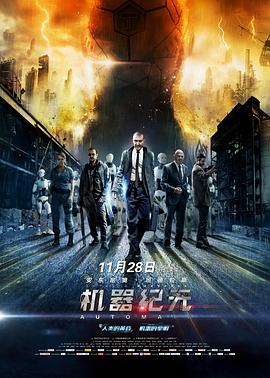
21世纪中叶,地球环境遭到巨大的破坏,人类文明和信仰不可遏止地崩塌。在一片乱象的关头,名为ROC的科技公司凭借他们研发的“朝圣者 7000”智能机器人迅速崛起。朝圣者深入民间每一个角落,帮助人们从生到死处理身边的一切事务。在两条根本原则的约束下,机器人们任劳任怨,不辞辛苦,与此同时也遭遇种种残酷无情的对待。贾克·波根(安东尼奥·班德拉斯 Antonio Banderas 饰)是ROC旗下的一名保险理赔员,在工作中他意外发现,许多朝圣者不仅被人私自篡改,连根本原则都遭到破坏。机器人们或伤害他人,或者自残,令贾克隐隐察觉背后似乎有什么阴谋存在。 他离开城市前往贫民窟寻找真相,在此见识到机器人可丽儿自我修复的神奇一幕。而执着的追索,也将贾克置身于莫大的危险中央……
The adventure begins when Lucas a 13 year old boy embarks on the vacation of a lifetime. When disaster strikes| Lucas finds himself stranded in a strange land littered with ghost ships and prehistoric creatures. While searching for other signs of life| Lucas hears a radio broadcast in the distance and is drawn into the jungle where he encounters a beautiful young girl who claims to have come from the 1950s. Together they set out on a quest to get home all the while uncovering secrets that will forever change the future.